Written by Daniel Kirchschlager
Built to guard an important medieval trade route, Svojanov Castle has stood as a witness to centuries of political and military change in the Czech lands. The castle was founded around 1262 by Ottokar II of Bohemia to protect the Trstenice Route, an important former trade connection that linked different parts of the region. Located in the Pardubice Region of the Czech Republic, its strategic purpose shaped the history of the castle from the very beginning and made Svojanov an important fortified site.
The castle was originally known by the German name Furstenberg, reflecting the multilingual character of medieval Bohemia. Its location was closely connected with the Trstenice Route, which served as a significant commercial road. Protecting such routes was an important responsibility for medieval rulers because merchants, travelers, and valuable goods depended on secure passage through the countryside. Castles positioned along these routes could therefore serve both military and administrative purposes.
Svojanov later became involved in the turbulent conflicts of the Hussite Wars. In 1421, the town was besieged by Jan Zizka, one of the most prominent military leaders of the Hussite movement. His campaigns affected numerous towns and castles throughout Bohemia, and Svojanov was drawn into the wider conflict. The siege forms an important part of the castle’s medieval history and demonstrates how its strategic position continued to matter during periods of warfare.
Several centuries later, Svojanov once again found itself connected with a major European conflict. Between 1642 and 1645, during the Thirty Years’ War, the town was occupied by Swedish forces. The war brought widespread destruction and political upheaval to the Czech lands, and the presence of Swedish troops at Svojanov reflects the castle and town’s continuing importance during this difficult period.
Another remarkable episode took place at the end of the 18th century. In December 1798, Russian legions marched through Svojanov on their way to fight against Napoleon. By that time, the castle was already centuries old, yet its location still placed it along routes used by armies moving across Central Europe. The passage of Russian troops added another chapter to the long military history associated with Svojanov.
The story of Svojanov Castle therefore stretches across several very different periods of European history. Founded under Ottokar II as a protector of an important trade route, the castle later experienced the Hussite Wars, the Thirty Years’ War, and the military movements connected with the Napoleonic era. Each period left its mark on the surrounding town and countryside.
Today, Svojanov Castle offers visitors an opportunity to explore a historic site whose importance was closely tied to its strategic location. Its connection with medieval trade, Jan Zizka, Swedish occupation, and the passage of Russian troops gives the castle an unusually broad historical story. For travelers discovering the castles of the Czech Republic, Svojanov provides a fascinating glimpse into how one fortified site could remain connected with the changing political and military landscape of Central Europe for more than five centuries.
For more information about this attraction, visit the relevant website here
This post was created by volunteers. You may help and support by clicking here.
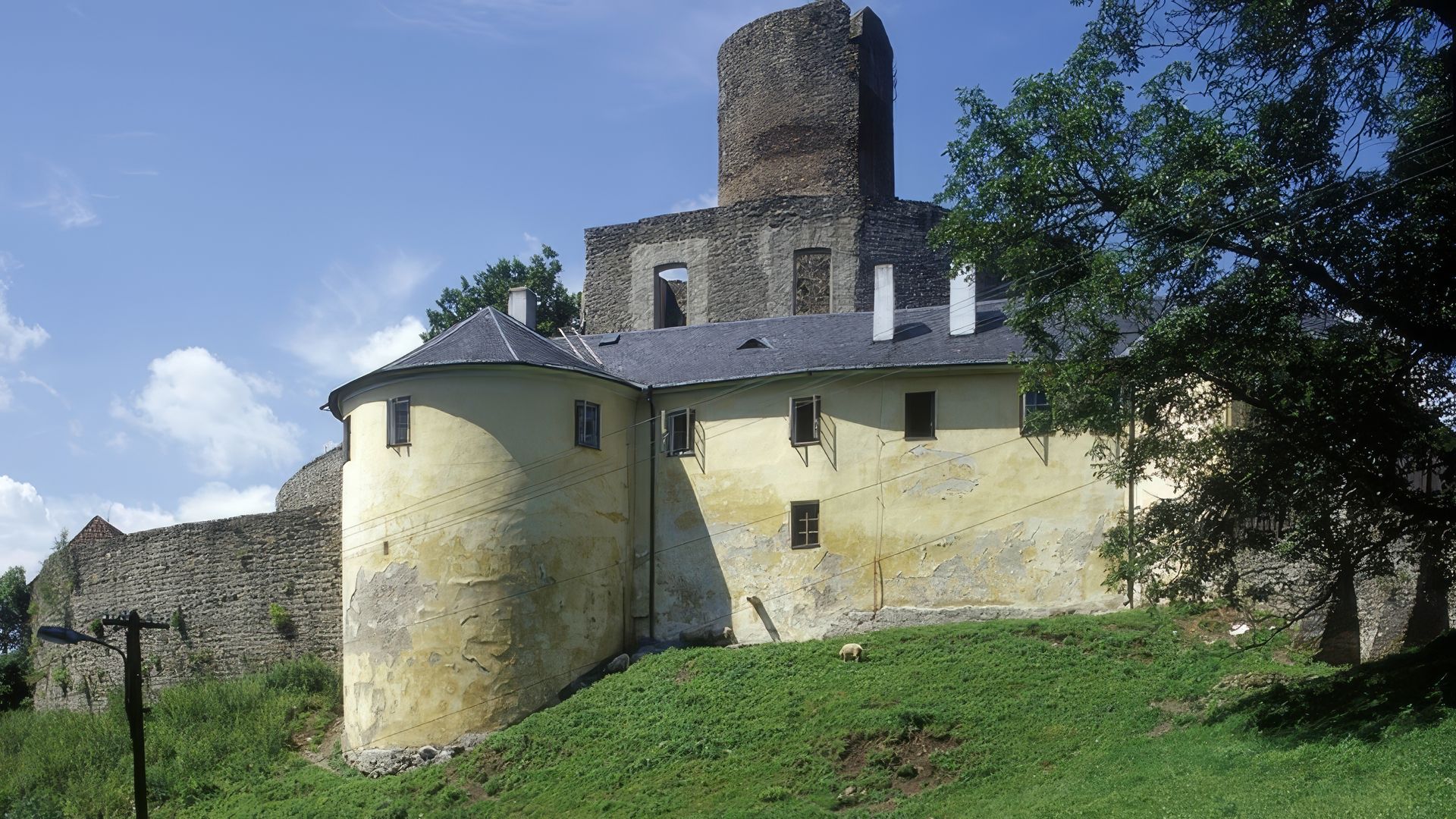
Svojanov Castle
Visit our partners website.