Written by Daniel Kirchschlager
Long before its present appearance took shape, Budyne Castle began as a wooden stronghold connected with the Czech rulers. Over the centuries, the site was transformed into a more substantial fortified residence, reflecting the changing needs and ambitions of its owners. Located in the Ústí nad Labem Region of the Czech Republic, Budyne Castle has a history shaped by royal authority, medieval warfare, and the powerful noble families who later controlled the estate.
During the early 12th century, the original wooden castle was rebuilt in the Gothic style under the rule of Czech King Ottokar I. The reconstruction marked an important stage in the development of the site, replacing the earlier wooden structure with a more durable and imposing medieval fortress. Gothic architecture became closely associated with the great castles and royal buildings of the period, and Budyne was similarly transformed into a stronger and more prestigious residence.
The castle later became involved in the political and military struggles of medieval Bohemia. In 1316, Budyne was conquered by John of Luxembourg, who was then King of Bohemia. His reign was an important period in Czech history, and royal control of strategically significant castles played a major role in maintaining political influence across the kingdom. Budyne’s position and existing fortifications made it a valuable possession during this period of changing ownership.
John of Luxembourg later sold the castle in 1336 to Zbynek of Valdek and Hazmburk of the Hare family of Hazmburk. Under their rule, Budyne Castle experienced the greatest development in the history of the estate up to that time. The new owners strengthened the importance of the castle and expanded its role within the surrounding territory. Their ownership represents a particularly significant chapter in the castle’s medieval history, when noble families could use important fortified residences as centers of power and administration.
The development of Budyne reflects the broader evolution of medieval castles in Bohemia. What began as a relatively simple wooden stronghold gradually became a Gothic fortress associated first with the Czech crown and later with influential noble families. Each change in ownership brought new ambitions and contributed to the transformation of the site.
Budyne Castle therefore offers more than an example of medieval architecture. Its history illustrates the shifting balance of power between Czech rulers and noble families during the Middle Ages. The rebuilding under Ottokar I, the conquest by John of Luxembourg, and the subsequent development under the Hazmburk family all form important chapters in the story of the castle.
For visitors interested in Czech history, Budyne provides an opportunity to explore a site shaped by centuries of political change. Its transformation from a wooden royal castle into a developed medieval stronghold demonstrates how important fortified residences evolved over time. The connection with Ottokar I, John of Luxembourg, and the Hazmburk family further places Budyne within the wider history of medieval Bohemia and its powerful rulers and noble houses.
For more information about this attraction, visit the relevant website here
This post was created by volunteers. You may help and support by clicking here.
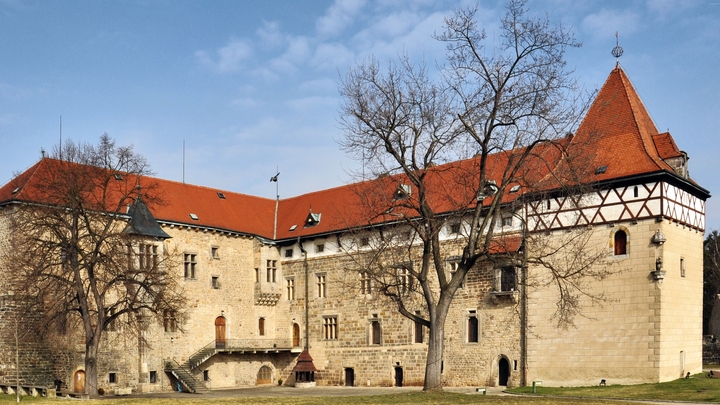
Budyne Gothic Castle
Visit our partners website.