Written by Daniel Kirchschläger
Surrounded by the landscape of western Bohemia, Svihov Castle is a remarkable late medieval fortress known for its impressive water defenses and distinctive architectural character. Located near the town of Svihov in the Plzen Region, the castle was built as a fortified aristocratic residence and became one of the most interesting examples of late medieval defensive architecture in the Czech Republic.
The castle was founded at the end of the 15th century by the influential Ryzmberk family, one of the powerful noble families of western Bohemia. Under Puta Svihovsky of Ryzmberk, the original fortress was transformed into a sophisticated Gothic stronghold. Construction took place during a period when castles increasingly needed to withstand artillery, and Svihov was designed with this changing form of warfare in mind.
One of the castle’s most distinctive features was its extensive system of artificial water defenses. The fortress was surrounded by moats and connected with nearby ponds, creating a complicated defensive landscape. Water could be used to flood the area around the castle, making it considerably more difficult for an attacking army to approach the walls. The combination of massive stone fortifications and controlled water defenses gave Svihov an appearance and function quite different from many castles built on high rocky hills.
The castle’s defensive system included strong walls, towers, and carefully positioned entrances. Its architecture demonstrates how medieval builders adapted traditional fortress design to the growing use of firearms and artillery. At the same time, Svihov was intended as a noble residence, so its buildings also provided spaces suitable for everyday life and administration.
After the death of Puta Svihovsky in 1504, the castle gradually lost some of its importance. The changing political and military circumstances of later centuries reduced the need for such a heavily fortified residence. During the 17th century, Svihov was even considered for demolition, although the planned destruction was never fully carried out. Parts of the complex survived, allowing its remarkable medieval structure to remain visible.
Centuries of changing use and neglect left the castle in a partially ruined condition, but later conservation work helped preserve its most important architectural elements. Today, visitors can explore the surviving courtyards, towers, walls, and residential spaces while learning about the castle’s development and the people who once lived there.
Svihov Castle is particularly interesting because its surroundings reveal how closely medieval military architecture could be connected with the landscape. The former ponds and moats were not simply decorative features; they formed an essential part of the fortress’s defensive strategy. Walking around the castle makes it easier to understand how water, walls, towers, and controlled access worked together to protect the residence.
For anyone interested in Czech castles, Svihov offers a fascinating combination of Gothic architecture, noble history, and sophisticated medieval fortification. Its unusual water defenses and well-preserved structural remains make it an especially distinctive historic site in western Bohemia, while its story illustrates the major changes that transformed European warfare and castle architecture at the end of the Middle Ages.
For more information about this attraction, visit the relevant website here
This post was created by volunteers. You may help and support by clicking here.
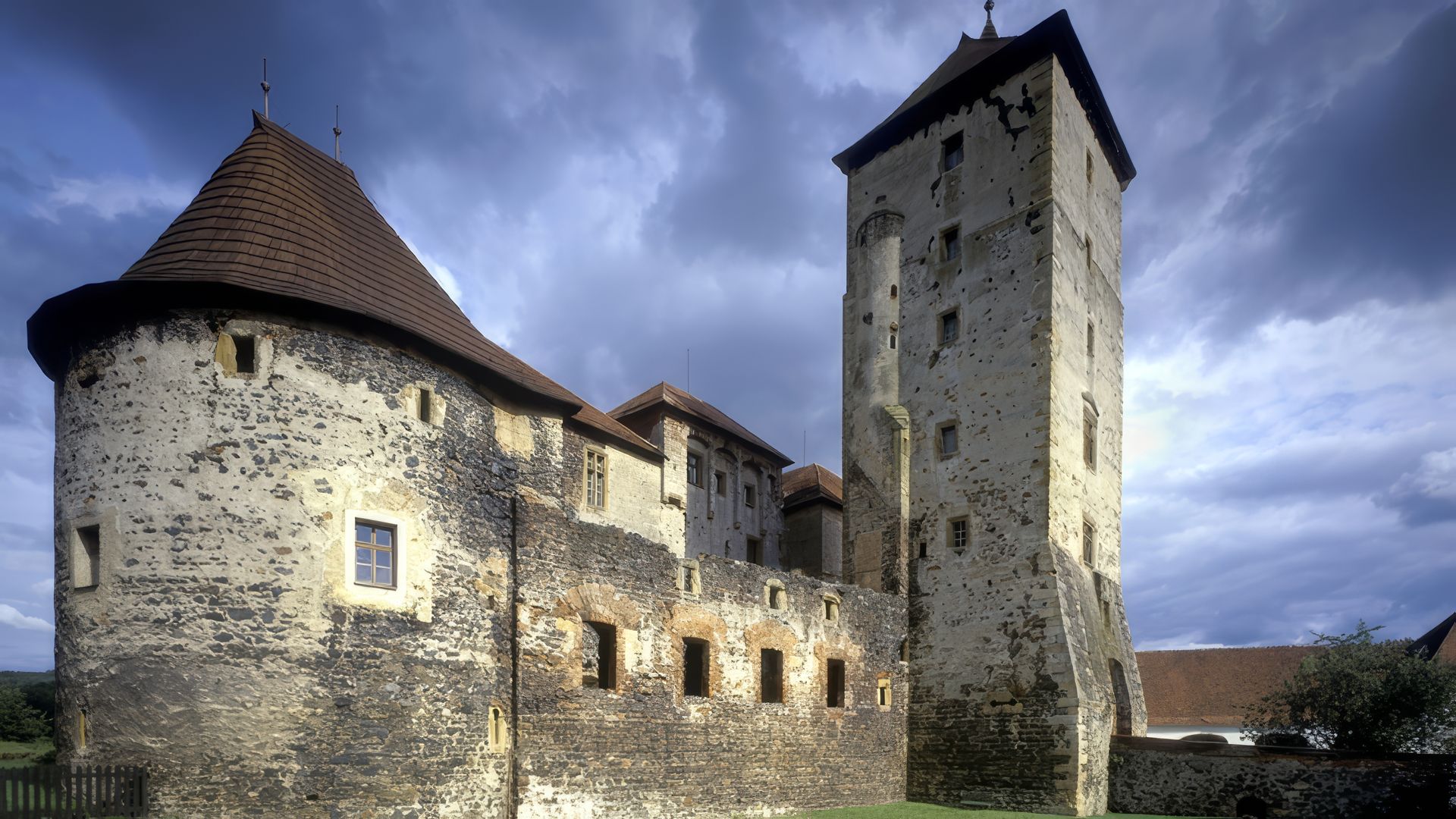
Svihov Castle
Visit our partners website.