Written by Daniel Kirchschläger
Rising above the wooded hills of the Moravian Gate in the Olomouc Region of the Czech Republic, Helfstyn Castle is one of the largest and most impressive medieval castle complexes in the country. Located near the town of Lipnik nad Becvou, this remarkable historic fortress is known for its extensive stone fortifications, atmospheric ruins, restored Renaissance palace, and strong connection to traditional blacksmithing. Surrounded by beautiful countryside, Helfstyn Castle is an excellent destination for travelers interested in medieval history, historic architecture, cultural heritage, and unique artistic traditions. Its commanding position above the Becva River valley provides scenic views and makes it a memorable stop when exploring the eastern part of the Czech Republic.
The origins of Helfstyn Castle probably date to the late 13th century, when the Silesian nobleman Fridrich of Linava established a fortified stronghold on a rocky ridge. The site offered a strategic position overlooking the Moravian Gate, an important natural corridor connecting Moravia with neighboring regions. The original castle was relatively small, with defensive walls, a round tower, and a residential palace. During the following centuries, the fortress expanded considerably, becoming an important center of political and military power in the region.
One of the most influential periods in the castle’s development began under the Lords of Kravare during the late 14th and early 15th centuries. They strengthened its defenses and transformed the original stronghold into a more substantial Gothic fortress. Later, the Pernstejn family continued to enlarge the complex, adding new fortifications and improving its defensive capabilities. These successive building campaigns created a formidable castle with multiple courtyards, gates, towers, and defensive walls. Its extensive layout reflects the military importance of the Moravian Gate during the Middle Ages and the early modern period.
During the 16th century, Helfstyn Castle underwent further reconstruction under the ownership of several Moravian noble families. The Bruntal family of Vrbno focused on transforming parts of the inner castle into a representative Renaissance residence. A significant palace was developed within the fortified complex, combining residential functions with the defensive character of the medieval fortress. These changes created an unusual architectural combination of Gothic fortifications and Renaissance residential architecture. Although the castle remained strategically important for some time, its military role gradually declined during the 17th century.
After the castle’s military significance diminished, the complex was gradually abandoned and fell into ruin. By the end of the 18th century, Helfstyn Castle had become an extensive ruin, although its impressive walls and towers continued to attract visitors. Conservation work began in the early 20th century, and subsequent restoration projects helped preserve the historic structures. One of the most notable modern projects involved the restoration of the Renaissance palace between 2017 and 2020. Contemporary architectural elements, including steel walkways and staircases, were carefully incorporated to make the preserved structure accessible while protecting its historic fabric.
Today, Helfstyn Castle is internationally recognized for its connection to artistic blacksmithing. The castle hosts Hefaiston, an international gathering of blacksmiths that attracts artists and craftspeople from many countries. The event showcases traditional metalworking techniques, contemporary artistic creations, and impressive forged sculptures. Visitors can also explore permanent exhibitions dedicated to artistic blacksmithing and discover metal artworks displayed throughout the historic complex. This distinctive cultural focus makes Helfstyn Castle particularly appealing to visitors interested in craftsmanship, design, and traditional European arts.
For travelers exploring the Olomouc Region, Helfstyn Castle offers a combination of medieval architecture, Renaissance heritage, panoramic scenery, and contemporary artistic culture. Its extensive fortifications, restored palace, historic courtyards, and blacksmithing exhibitions provide plenty of opportunities for exploration and photography. Whether you are interested in medieval castles in the Czech Republic, historic ruins in Moravia, or traditional metalworking, Helfstyn Castle is a remarkable destination that reveals the rich history and cultural traditions of the region.
For more information about this attraction, visit the relevant website here
This post was created by volunteers. You may help and support by clicking here.
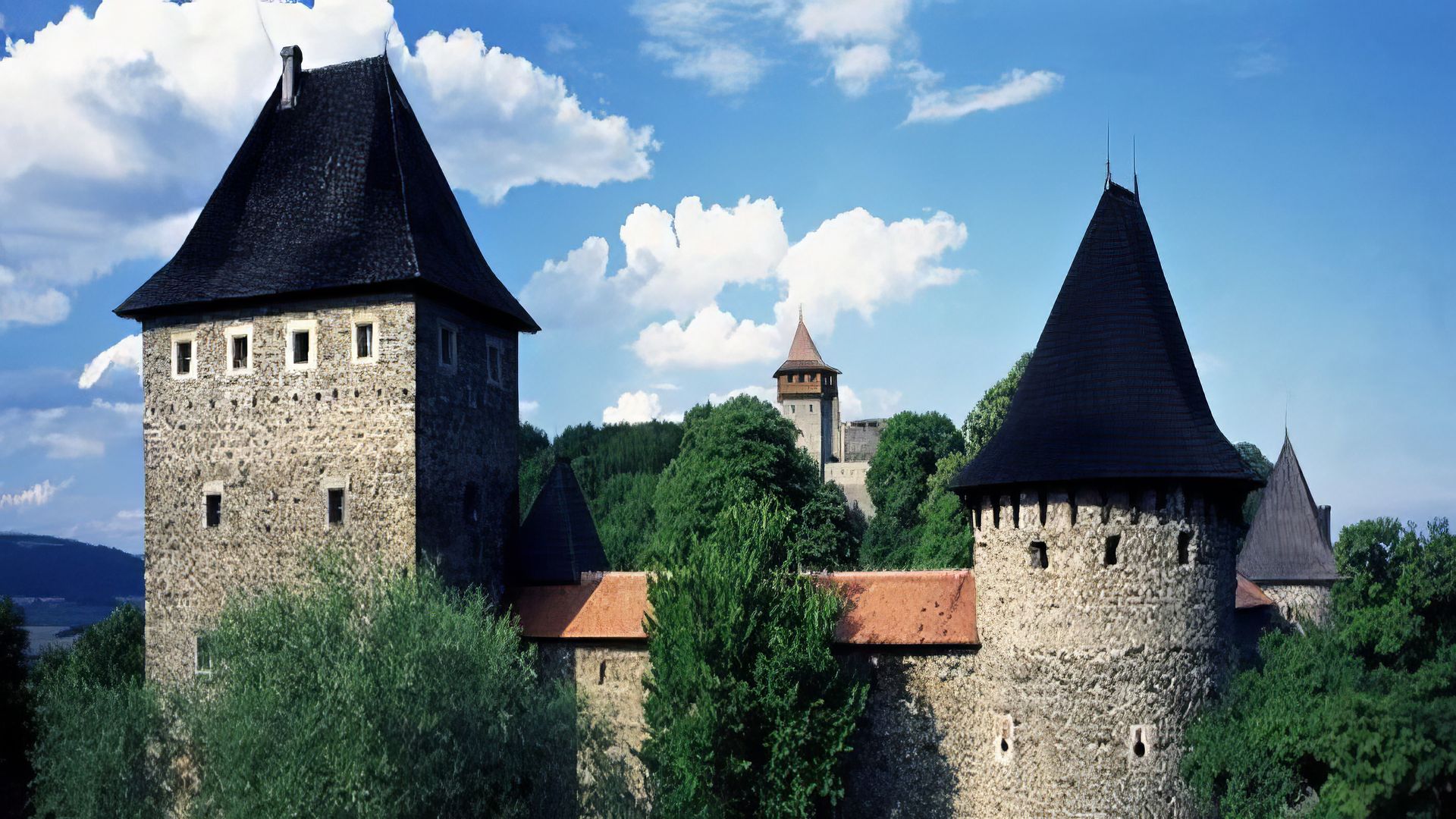
Helfstyn Castle
Visit our partners website.