Written by Daniel Kirchschläger
Located in the South Moravian Region of the Czech Republic, Bucovice Chateau is one of the most remarkable Renaissance residences in Central Europe. Situated in the town of Bucovice, east of Brno, this historic landmark is celebrated for its Italian-inspired architecture, richly decorated interiors, and distinctive courtyard with an elegant arcaded gallery. Unlike many Czech chateaus that were transformed extensively during the Baroque period, Bucovice Chateau has preserved much of its original Renaissance character, making it an especially interesting destination for visitors exploring the architectural and cultural heritage of Moravia.
The construction of Bucovice Chateau began in 1575 at the initiative of Jan Sembera of Boskovice, one of the wealthiest Moravian aristocrats of his time. Rather than rebuilding an older medieval fortress, he commissioned an entirely new residence inspired by Italian Renaissance architecture. The project is associated with Jacopo de Strada, a renowned architect, art historian, and collector who served several Habsburg emperors. The result was a sophisticated residence designed according to the Italian palazzo in fortezza concept, combining the elegance of an aristocratic palace with defensive features such as fortified walls and a moat.
One of the most remarkable features of Bucovice Chateau is its magnificent courtyard, surrounded by three levels of arcades supported by approximately 90 columns. These columns are decorated with around 540 stone reliefs depicting military scenes, coats of arms, plants, musical instruments, and fantastical creatures. The intricate decorations demonstrate the extraordinary craftsmanship of the Italian stonemasons Elia Canavale and Antonio Silva. Every part of the courtyard contributes to the visual richness of the Renaissance complex, making it one of the most distinctive architectural spaces in the Czech Republic.
The chateau is also famous for its elaborate Mannerist interior decorations. Visitors can discover representative rooms featuring painted ceilings, ornamental details, and artistic elements that reflect the wealth and cultural interests of the original owner. Among the notable interiors are the Rabbit Room, known for its unusual ceiling decoration featuring running hares, and halls dedicated to mythological and symbolic themes. These rooms illustrate the transition between Renaissance ideals and the more expressive artistic style of Mannerism, which became popular in Europe during the late 16th century.
Another highlight is the courtyard fountain, created between 1635 and 1637 under Maximilian of Liechtenstein, who inherited the estate through his marriage to Jan Sembera’s daughter, Katerina. The fountain was designed by Giovanni Giacomo Tencalla and sculpted by Pietro Materna. Its elaborate composition adds a later Mannerist element to the original Renaissance architecture and enhances the courtyard’s decorative character.
Bucovice Chateau also has an interesting history beyond its architectural development. In 1645, during the Thirty Years’ War, a small group of local officials, hunters, and townspeople successfully defended the building against a much larger Swedish force. From 1681 onward, the chateau ceased to function primarily as an aristocratic residence and became an administrative center for the estate. In 1720, it also became the headquarters of the central Liechtenstein accounting office. Because no major reconstruction significantly altered its original Italian Renaissance appearance, the building has retained an unusually authentic architectural character.
Today, Bucovice Chateau is an important cultural landmark in the South Moravian Region and a rewarding destination for visitors exploring historic places near Brno. Its impressive arcaded courtyard, remarkable stone reliefs, Mannerist interiors, and historic fountain provide an exceptional insight into Renaissance architecture in Central Europe. The chateau grounds also include a formal garden that complements the building’s elegant design. Whether you are interested in Renaissance art, aristocratic history, historic gardens, or cultural tourism in the Czech Republic, Bucovice Chateau offers a memorable experience and a fascinating glimpse into the artistic achievements of Moravia’s past.
For more information about this attraction, visit the relevant website here
This post was created by volunteers. You may help and support by clicking here.
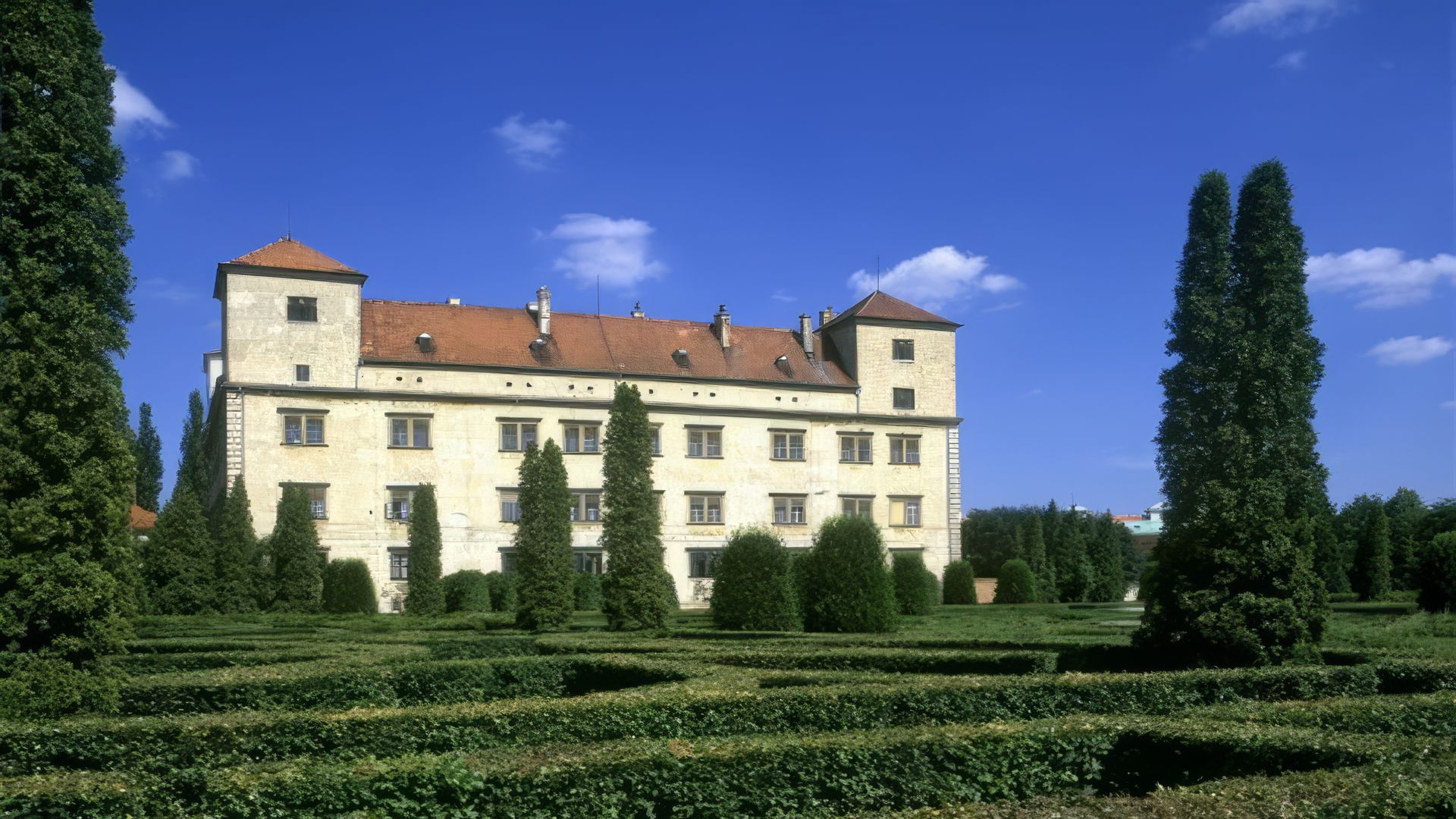
Bucovice Chateau
Visit our partners website.