Written by Daniel Kirchschläger
Located in the Zlin Region of the Czech Republic, Holesov Chateau is an impressive historic residence renowned for its elegant Early Baroque architecture, richly decorated interiors, and extensive French-style garden. Situated in the town of Holesov, at the edge of the Haná and Wallachia regions, this remarkable landmark offers visitors an opportunity to explore centuries of Moravian history and aristocratic heritage. With its harmonious architectural design, ornamental gardens, and cultural exhibitions, Holesov Chateau is an appealing destination for travelers interested in historic chateaus, Czech architecture, and cultural tourism. Its distinctive appearance and historical importance make it one of the notable heritage attractions in eastern Moravia.
The history of Holesov Chateau dates back to the Middle Ages, when a fortified manor stood on the site. A written record from 1245 mentions Hugo of Holesov, a feudal holder who probably lived in the original fortress. During the Hussite Wars in the 15th century, the early stronghold was destroyed. The influential Sternberg family subsequently established a new fortress, which was later transformed into a Renaissance chateau during the 16th century. By 1574, the building had acquired its Renaissance character, marking an important stage in the architectural development of the estate.
A decisive turning point came in 1650, when Jan Count of Rottal acquired the Holesov estate. He commissioned the Italian-born architect Filiberto Lucchese to design a grand new residence that would reflect the family’s wealth and social standing. Construction of the Early Baroque chateau began in 1655, creating a substantial four-winged building arranged around a central courtyard. The main construction work was largely completed by the 1670s. The resulting residence became one of the most significant examples of Early Baroque chateau architecture in the Czech Republic, distinguished by its balanced proportions, elegant facades, and carefully designed interiors.
Inside Holesov Chateau, visitors can discover historic halls, decorative stucco work, frescoes, and representative rooms that reveal the artistic traditions of the Baroque period. One of the architectural highlights is the sala terrena, a garden-level hall decorated with elaborate stucco ornamentation and painted details. The grand hall and the chateau chapel are also important parts of the historic complex. Over the centuries, the interiors underwent additional modifications, incorporating elements of later architectural styles while preserving much of the building’s original character.
The extensive chateau garden is another major attraction. Designed according to French formal garden principles, the grounds feature symmetrical layouts, tree-lined avenues, ornamental landscaping, and a distinctive water system shaped like Neptune’s trident. This unusual arrangement forms the central visual feature of the garden and reflects the ambition of the estate’s original designers. The grounds also include the Rose Garden, a monument dedicated to composer Frantisek Xaver Richter, and an observatory. The combination of historic architecture and landscaped green spaces creates an inviting setting for leisurely walks, photography, and outdoor exploration.
Holesov Chateau also has a rich cultural history. During the ownership of the Rottal family, the residence became a center of musical and theatrical activity. Later owners continued to shape the estate, including the House of Wrbna, which held the property from the 19th century until 1948. Today, the chateau hosts exhibitions, cultural events, and art displays that connect its historical heritage with contemporary cultural life.
For travelers exploring the Zlin Region, Holesov Chateau offers an excellent opportunity to discover the architectural and cultural history of Moravia. Its Early Baroque design, historic interiors, French-style garden, and long aristocratic legacy make it a rewarding destination for history enthusiasts, architecture lovers, and visitors seeking authentic Czech heritage. Whether included in a wider tour of eastern Moravia or visited as a day trip, Holesov Chateau provides a memorable insight into the region’s rich past.
For more information about this attraction, visit the relevant website here
This post was created by volunteers. You may help and support by clicking here.
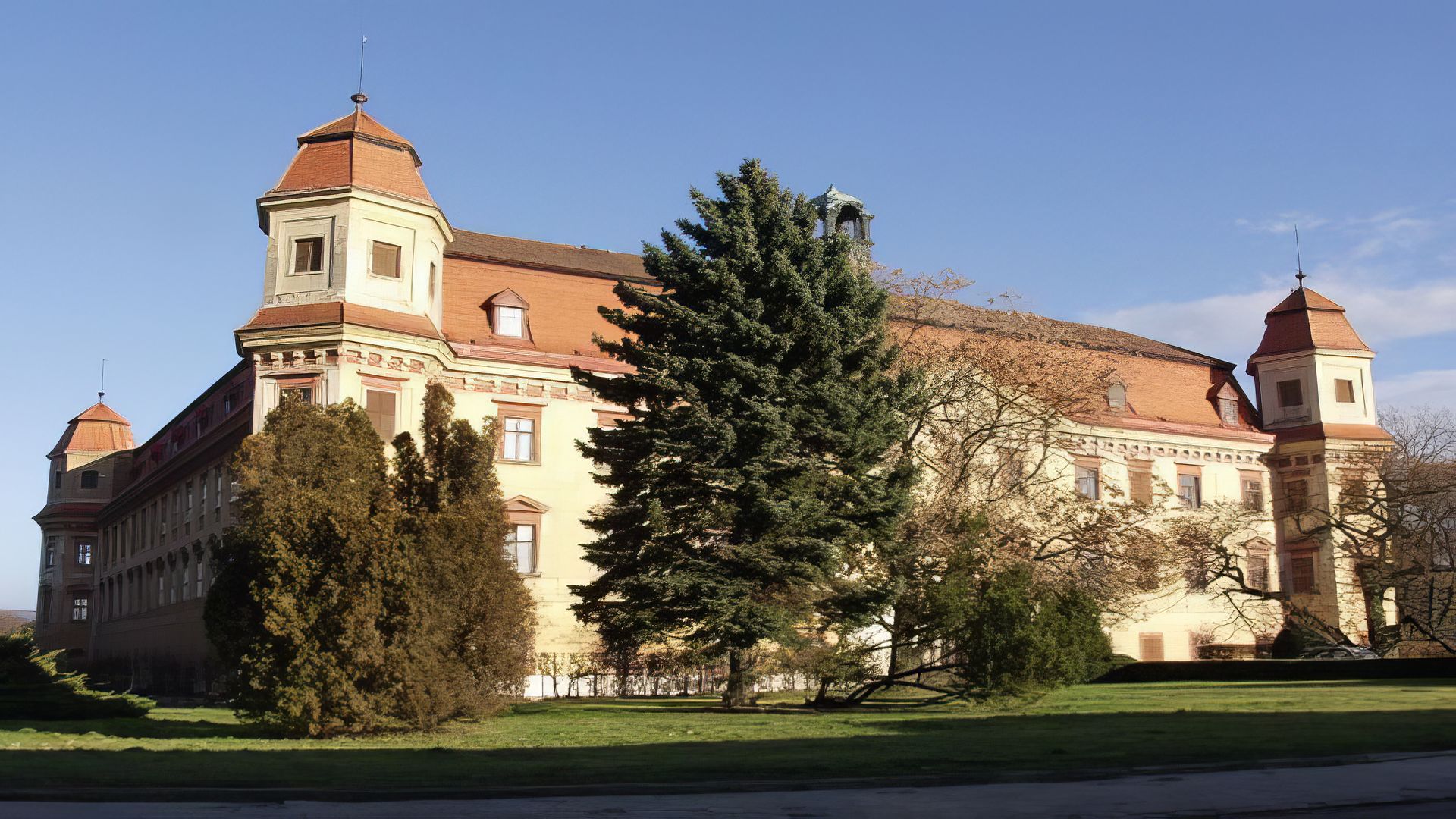
Holesov Chateau
Visit our partners website.