Written by Daniel Kirchschläger
A remarkable combination of medieval origins, Renaissance architecture, and artistic heritage makes Zbiroh Castle (Zamek Zbiroh) one of the most distinctive historic landmarks in the Plzen Region of the Czech Republic. Located in the town of Zbiroh, between Prague and Pilsen, this historic residence has a history dating back to the 12th century. Over the centuries, it has been associated with Czech kings, influential noble families, and the celebrated artist Alphonse Mucha. Its long history and distinctive architectural character make Zbiroh Castle an appealing destination for travelers interested in Czech castles, European history, and cultural heritage.
The story of Zbiroh Castle began in the Middle Ages, when fortified residences played an important role in the political and territorial development of Bohemia. During its early history, the castle became associated with several prominent Czech rulers, including Ottokar II of Bohemia, Charles IV, and Rudolf II. Each period contributed to the development of the estate, which gradually evolved from a medieval stronghold into a more elaborate aristocratic residence. Its architecture reflects several historical periods, including Romanesque, Gothic, and Renaissance influences, while later renovations gave the complex its distinctive appearance.
A particularly important chapter in the history of Zbiroh Castle began during the reign of Emperor Rudolf II in the late 16th century. Under his ownership, the medieval castle was transformed into a Renaissance chateau, reflecting the architectural preferences and cultural interests of the period. Rudolf II is widely remembered for his patronage of artists, scholars, and scientific pursuits. His connection with Zbiroh adds another fascinating dimension to the estate’s historical significance. The surrounding parkland also contributes to the atmosphere of the property, offering visitors a peaceful setting in which to explore the historic grounds.
Zbiroh Castle is especially notable for its connection with Alphonse Mucha, the internationally recognized Czech painter and a leading figure in the Art Nouveau movement. Mucha lived at the castle with his family for approximately 18 years in the early 20th century. During this period, he worked on The Slav Epic, his monumental cycle of paintings inspired by Slavic history, culture, and identity. The castle’s Mucha Hall is closely associated with this important artistic achievement and represents a major highlight for visitors interested in European art history.
The castle also experienced significant changes during the 20th century. During World War II, it was confiscated by German forces and subsequently occupied by the SS. Under the communist regime, the property was used for military purposes and suffered considerable deterioration. After returning to private ownership in the early 21st century, Zbiroh Castle underwent extensive restoration. It opened to the public in 2005, allowing visitors to explore its historical interiors and discover more about its remarkable past.
Today, Zbiroh Castle serves as a historical attraction, hotel, wellness destination, and venue for special events. Visitors can take guided tours of its historic rooms, learn about its connections with Czech monarchs, and explore exhibitions related to its architectural and cultural heritage. The estate also offers accommodation, wellness facilities, and spaces for weddings and corporate gatherings. Its combination of historical atmosphere and modern hospitality makes it suitable for both day trips and longer stays.
For travelers exploring the Plzen Region, Zbiroh Castle offers an opportunity to discover an important part of the Czech Republic’s architectural and cultural heritage. Its medieval foundations, Renaissance transformation, association with Alphonse Mucha, and carefully restored interiors distinguish it from many other historic residences in Bohemia. Whether visiting for its history, architecture, art, or peaceful surroundings, Zbiroh Castle provides a memorable introduction to the rich history of the Czech lands.
For more information about this attraction, visit the relevant website here
This post was created by volunteers. You may help and support by clicking here.
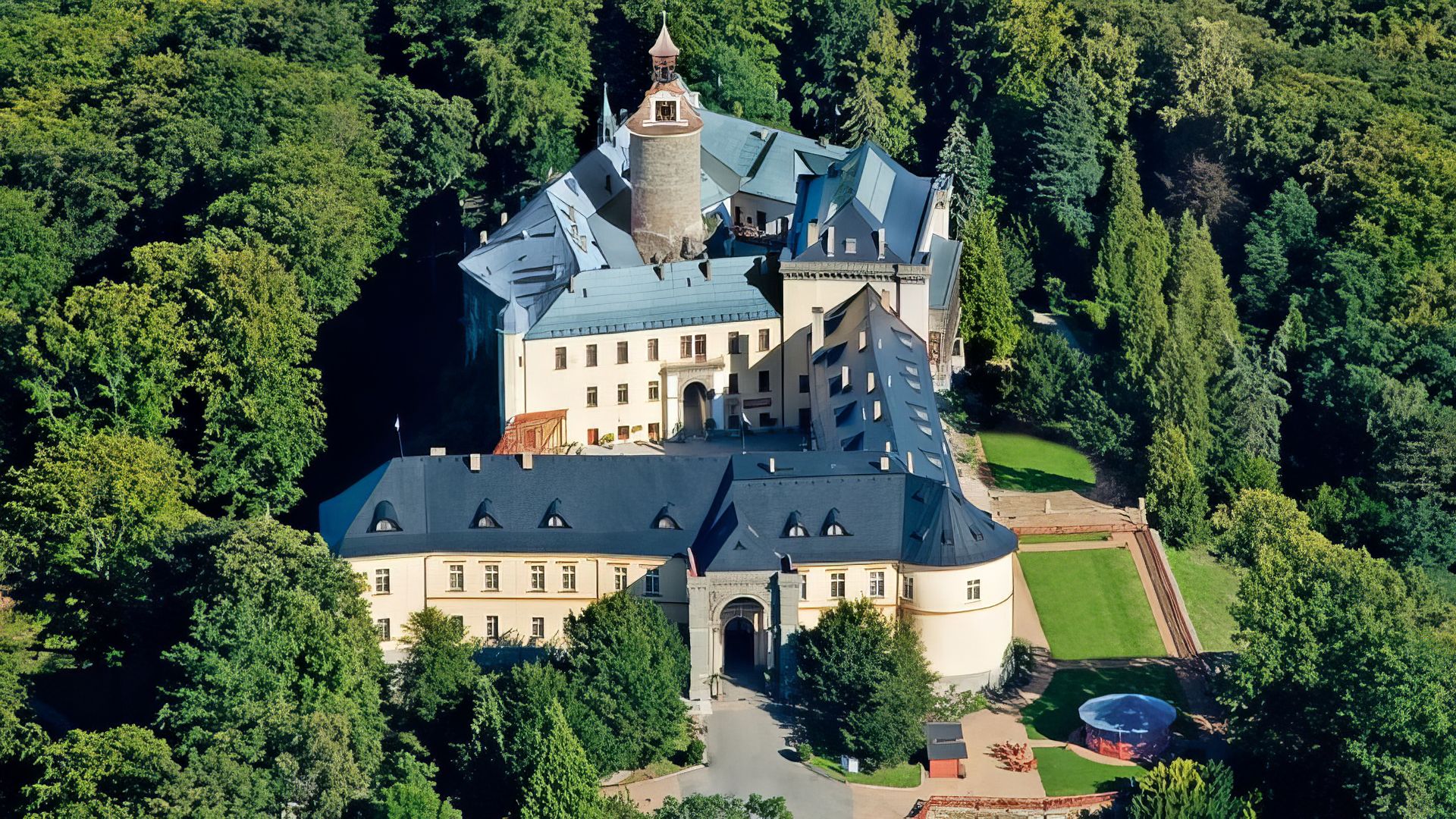
Zbiroh Chateau
Visit our partners website.