Written by Daniel Kirchschläger
Situated on a steep, rocky limestone hill towering above the picturesque town of the same name in the northeastern part of the historical region of Moravia, Stramberk Castle is a dramatic medieval fortress renowned for its iconic cylindrical tower and stunning panoramic views. Located in the Moravian-Silesian Region of the Czech Republic, approximately 40 kilometers southwest of Ostrava and 330 kilometers east of Prague, the castle ruins and surrounding historic town have evolved over centuries from a strategic border stronghold into one of the most visually striking and visited destinations in the region.
The history of Stramberk Castle dates back to the mid-14th century, when it was established around 1359 by the Moravian margraves to secure the northeastern boundaries of their territory and protect important trade routes. Throughout the turbulent late medieval period, the fortress changed hands among various noble families, including the Lords of Kravař and the Jesuits, surviving numerous military conflicts and sieges. Although much of the original palace and defensive walls gradually fell into ruin over the centuries, the fortress’s most prominent landmark was preserved and adapted into a modern observation point.
The architectural centerpiece of the castle complex is the Trúba, a massive 40-meter-high cylindrical stone tower perched on the highest point of the limestone cliff. In the early 20th century, under the initiative of the Czech Tourist Club and based on designs by renowned architect Kamil Hilbert, the tower was repaired and converted into an accessible lookout point, complete with a covered wooden gallery added near the top. Today, climbing the stairs of the Trúba offers visitors breathtaking 360-degree views over the timbered historic houses of Stramberk, the surrounding Beskydy foothills, and the sprawling Moravian-Silesian landscape.
Beneath the castle ruins, the town of Stramberk itself unfolds as an architectural treasure, famous for its steep streets lined with well-preserved 18th- and 19th-century wooden Wallachian cottages. The town is also internationally celebrated for its unique local confectionery tradition: the baking of Stramberk Ears (Štramberské uši), a spiced honey-gingerbread pastry shaped like a curved ear, which commemorates a legendary historical victory over invading Tatar armies. Nearby, the Kotouč limestone hill features prehistoric archaeological sites and the famous Šipka Cave, where Neanderthal remains were discovered in the 19th century.
The surrounding nature of the Moravian-Silesian Region, marked by the nearby Beskydy Mountains, offers excellent opportunities for hiking, nature walks, and exploring protected geological formations. Combining medieval castle origins, the iconic Trúba lookout tower, unique local culinary traditions, and a dramatic hilltop setting in the Moravian-Silesian Region, Stramberk Castle provides an unforgettable and charming experience for travelers exploring the Czech Republic.
For more information about this attraction, visit the relevant website here
This post was created by volunteers. You may help and support by clicking here.
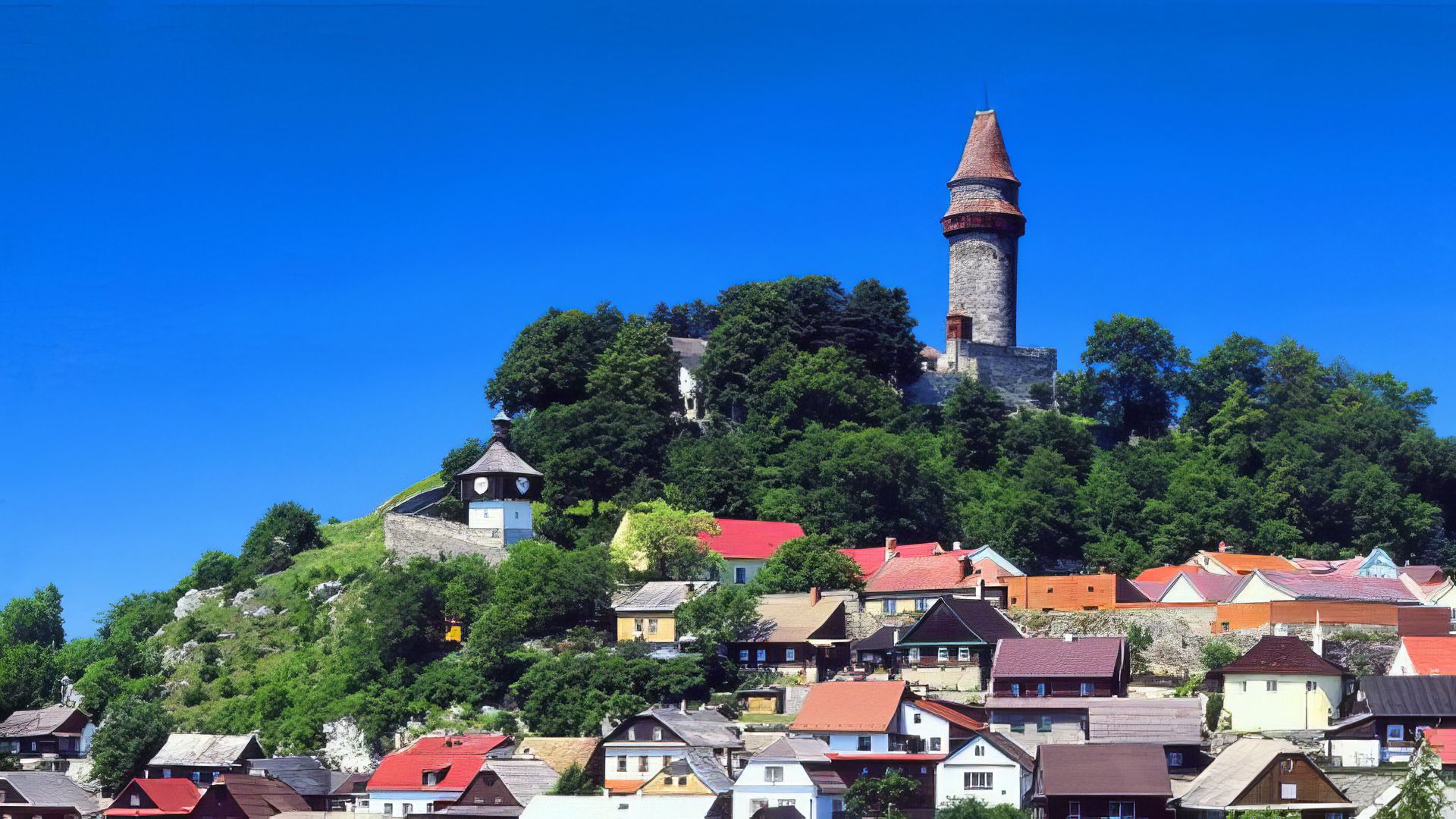
Stramberk Castle
Visit our partners website.