Written by Daniel Kirchschläger
Long before the present chateau took shape, the site of Luzany Chateau was occupied by a wooden fort dating back to 1245. Over the centuries, the original fortified structure was transformed into a more elegant aristocratic residence, reflecting the changing architectural tastes of different periods. Located in the Plzen Region, Luzany Chateau illustrates how historic Czech residences could evolve from practical medieval strongholds into refined aristocratic homes.
The earliest known structure on the site was a wooden fort established in 1245. During the medieval period, such fortified sites served important practical purposes, providing protection and a secure base for the people who controlled the surrounding territory. Wooden construction was common for early fortifications, although these structures were naturally more vulnerable to fire, weather, and the passage of time than later stone buildings.
A major transformation took place in 1753, when the existing site was rebuilt as a Renaissance chateau. The reconstruction represented a significant change in both appearance and purpose. Renaissance architecture placed greater emphasis on symmetry, proportion, comfort, and artistic design than the defensive structures of the Middle Ages. Turning the earlier fortification into a Renaissance chateau reflected the changing role of aristocratic residences, which increasingly served as comfortable homes and representative centers rather than purely defensive strongholds.
The architectural story of Luzany continued into the early 19th century. During this period, the chateau was rebuilt again, this time in the Baroque style. Baroque architecture brought a new emphasis on decorative detail and more expressive architectural forms. The transformation gave the residence another distinct character while preserving the site’s long connection with the history of the surrounding region.
The successive changes at Luzany demonstrate how architectural styles can provide a visual record of different historical periods. The original wooden fort belonged to a medieval world in which protection and security were central concerns. The Renaissance rebuilding introduced a more refined residential character, while the later Baroque reconstruction reflected changing ideas about aristocratic architecture and elegance.
Although little of the original wooden fort can be expected to survive after so many centuries, its place in the history of the site remains important. The knowledge that a fortified structure stood here as early as 1245 provides a connection between the present residence and the medieval past of the Czech lands.
Luzany Chateau is therefore interesting not simply because of its architecture, but because of the long transformation that took place on the site. From a wooden fort to a Renaissance chateau and later a Baroque residence, the property reflects centuries of architectural change. Each rebuilding added another layer to its story and helped shape the character of the historic site visitors can appreciate today.
For travelers interested in Czech architecture and history, Luzany offers an opportunity to explore how aristocratic residences developed over time. Its connection with the medieval fort of 1245 and its later Renaissance and Baroque transformations make it a fascinating example of the way historic buildings can change while remaining rooted in the same location for centuries.
For more information about this attraction, visit the relevant website here
This post was created by volunteers. You may help and support by clicking here.
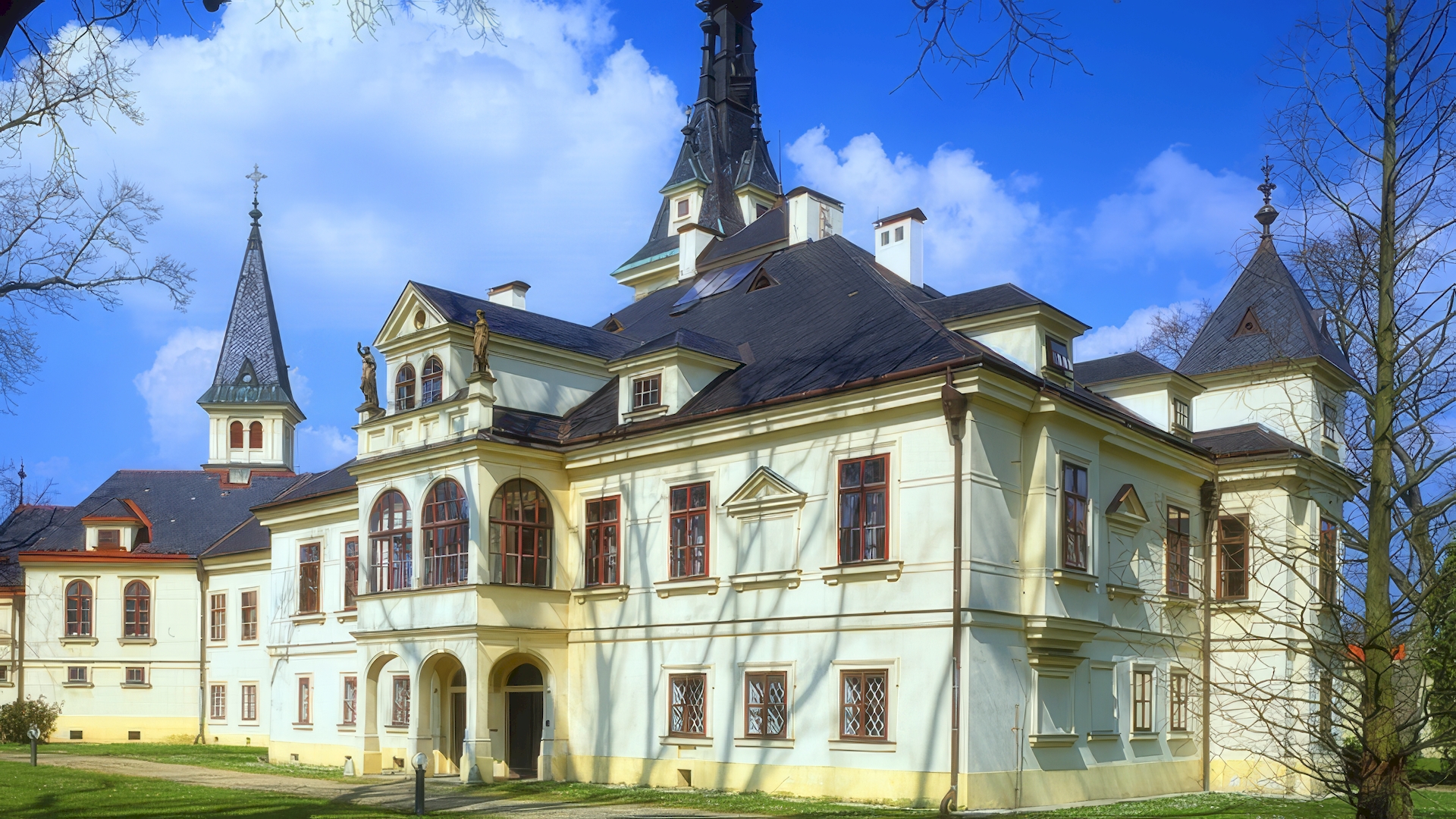
Luzany Baroque Chateau
Visit our partners website.