Written by Daniel Kirchschlager
Graceful Baroque architecture and an elegant landscaped setting give Jemniste Chateau a distinctive place among the historic residences of Central Bohemia. Located near the town of Postupice, south of Prague, the chateau is known for its refined appearance, historic interiors, and connection with the Sternberg family. Unlike the massive medieval fortresses found elsewhere in the Czech countryside, Jemniste was designed primarily as a comfortable and representative aristocratic residence, reflecting the taste and lifestyle of the 18th century.
The present chateau was built in the 1720s according to plans by the architect Franz Maxmilian Kanka. Construction began after the Sternberg family decided to replace the older residence with a more modern and elegant country seat. The resulting Baroque complex was carefully designed to combine residential comfort with architectural prestige. Its symmetrical appearance and decorative details reflect the ideals of Baroque architecture, which emphasized movement, ornamentation, and dramatic visual composition.
Jemniste Chateau is closely associated with the Sternberg family, one of the oldest noble families in Bohemia. Their presence at Jemniste played an important role in the development and preservation of the estate. The chateau served as a family residence and as a center of aristocratic life, surrounded by a carefully planned landscape that complemented the main building.
One of the most attractive elements of Jemniste is its extensive park and formal garden. The grounds were designed as an integral part of the chateau rather than simply as open space surrounding the residence. Tree-lined paths, landscaped areas, and carefully arranged views create a peaceful setting that allows visitors to appreciate the relationship between Baroque architecture and garden design.
The interiors provide another important reason to visit. Historic rooms contain decorative features that reflect the lifestyle of the aristocratic owners and the artistic preferences of the period. Elegant furnishings, paintings, and other decorative elements help create an impression of how a noble household could have looked during the centuries when Jemniste served as a country residence.
Like many Czech aristocratic estates, Jemniste experienced major changes during the 20th century. Political developments affected the ownership and use of the property, but the chateau eventually became accessible to the public. The preservation of its architecture and interiors allows modern visitors to experience a historic residence that retains much of its original character.
Today, Jemniste Chateau offers a peaceful alternative to the larger and more heavily fortified castles of the Czech Republic. Its Baroque architecture, historic rooms, gardens, and rural surroundings create an atmosphere centered on elegance rather than military strength. Exploring the chateau provides an opportunity to learn about the culture and lifestyle of the Czech nobility while also enjoying the beauty of the surrounding Central Bohemian countryside.
For travelers interested in architecture and Czech history, Jemniste is an especially appealing destination. Its connection with the Sternberg family, refined Baroque design, and carefully landscaped grounds make it a memorable example of an aristocratic country residence. The combination of elegant interiors and tranquil gardens allows visitors to experience a different chapter of Czech heritage, far removed from the defensive world of medieval castles.
For more information about this attraction, visit the relevant website here
This post was created by volunteers. You may help and support by clicking here.
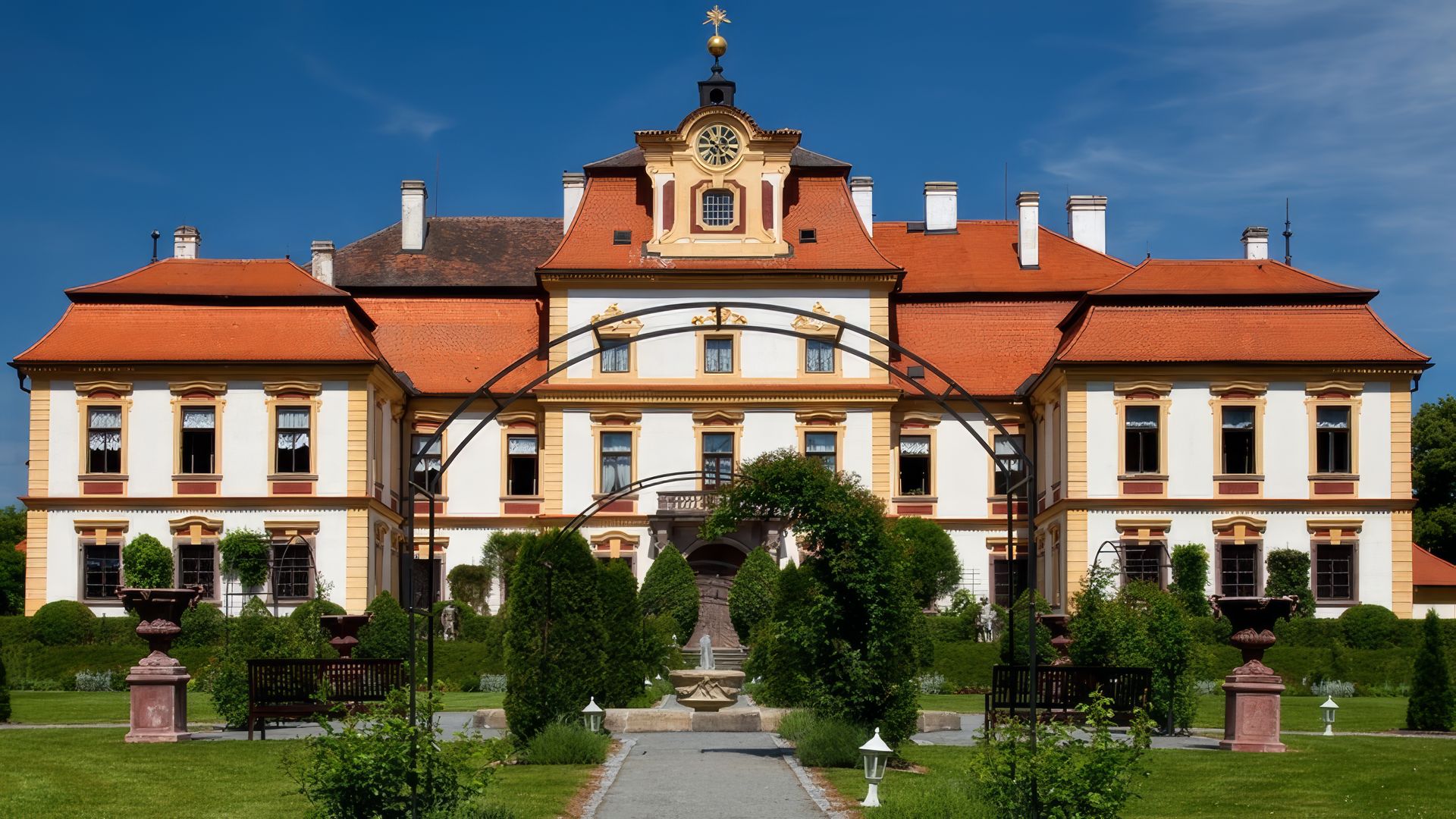
Jemniste Chateau
Visit our partners website.