Written by Daniel Kirchschlager
Standing prominently above the surrounding landscape of eastern Bohemia, Kuneticka Hora Castle is one of the most distinctive historic landmarks in the Pardubice Region. The castle became an important stronghold during the Hussite Wars of the early 15th century, when it was captured by the Hussite commander Divis Borek of Miletinek in 1421. He expanded the existing site into a formidable fortified base, including an extensive outer ward designed to accommodate troops. A major period of transformation followed after the estate was acquired by William of Pernstein in 1491. Under William and his sons, the castle underwent extensive rebuilding between 1491 and 1548, combining late Gothic architecture with early Renaissance elements. The resulting complex featured residential palaces, fortified courtyards, deep defensive ditches, and an elaborate system of gates and artillery positions. These improvements reflected the changing demands of warfare as well as the growing desire of noble families for more comfortable and prestigious residences. The castle later suffered severe damage when Swedish forces captured and burned it in 1645. Stone quarrying in the following centuries caused further destruction, but preservation and restoration efforts began in the early 20th century. Today, Kuneticka Hora remains a prominent symbol of eastern Bohemia, offering visitors a chance to explore its surviving architecture, learn about the Hussite period, and enjoy sweeping views across the surrounding countryside.
During the Hussite Wars, the castle played an important defensive role in the conflicts that divided Bohemia. Its location and fortifications made it a valuable military stronghold, and its connection with Divis Borek of Miletinek reflects the political and military importance of the site during this period. The wars left a lasting mark on the region and demonstrated the strategic value of castles such as Kuneticka Hora.
A major transformation began in 1491, when Vilem of Pernstejn purchased the castle. Under his direction, the fortress was extensively rebuilt in the late Gothic style. The reconstruction introduced substantial architectural improvements, including two prominent towers and a defensive moat. These changes strengthened the castle while also giving it a more imposing and carefully designed appearance.
Work on the complex continued under Vilem’s sons during the early Renaissance. Their additions gradually introduced newer architectural ideas while retaining many of the defensive characteristics inherited from the medieval fortress. The result was a distinctive combination of late Gothic military architecture and early Renaissance design, reflecting the changing priorities of noble residences at the beginning of the modern era.
Kuneticka Hora once again became a target during the Thirty Years’ War in the 17th century. The castle was besieged several times during the conflict, demonstrating that its strategic importance had not disappeared despite the changes in warfare. Repeated military action placed considerable strain on the fortress, and the final stages of the war brought its most destructive chapter.
At the end of the Thirty Years’ War, Swedish troops attacked the castle and burned it to the ground. The destruction dramatically changed the appearance and fortunes of Kuneticka Hora, leaving the once powerful fortress severely damaged. Yet the surviving remains continued to preserve evidence of its medieval and Renaissance development.
Today, Kuneticka Hora Castle remains an important historical landmark and a striking reminder of the changing nature of European warfare and architecture. Its connections with the Hussite Wars, the Pernstejn family, the late Gothic reconstruction, and the destruction caused by Swedish troops give the castle a particularly rich history. The surviving structures allow visitors to trace the transformation of a medieval fortress into a Renaissance-era residence and to appreciate the turbulent events that shaped its long story.
For more information about this attraction, visit the relevant website here
This post was created by volunteers. You may help and support by clicking here.
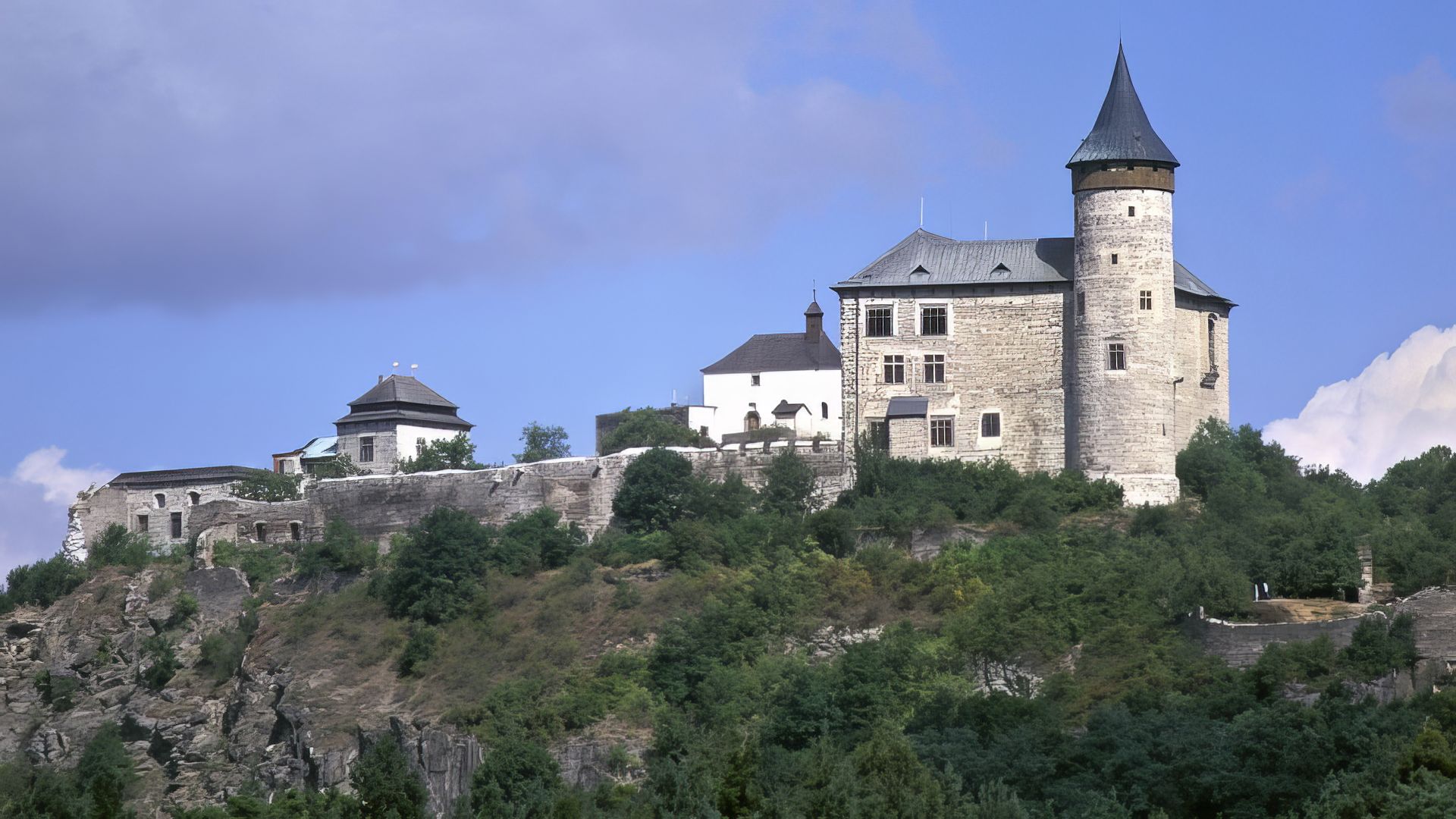
Kuneticka hora Castle
Visit our partners website.