Written by Daniel Kirchschläger
Elegant Renaissance architecture and a centuries-old aristocratic heritage make Castolovice Chateau one of the most appealing historic residences in the Hradec Kralove Region of the Czech Republic. Located in the town of Castolovice, near Rychnov nad Kneznou and the foothills of the Orlicke Mountains, this historic chateau is closely associated with the influential Sternberg family. Its carefully preserved interiors, extensive English-style park, rose garden, and peaceful setting make it an attractive destination for travelers interested in Czech history, Renaissance architecture, and traditional aristocratic estates. Unlike imposing medieval fortresses built primarily for defense, Castolovice Chateau reflects the transition toward elegant residential architecture designed for comfortable living, social gatherings, and the display of family collections.
The history of Castolovice Chateau dates back to the 13th century, when a water fortress stood on the site. The original fortified residence was associated with the local lords of Castolovice and formed part of the medieval settlement that developed in the region. During the following centuries, the estate passed through the hands of several prominent owners, including King George of Podebrady, one of the most important rulers in Bohemian history. In 1495, the property was acquired by William of Pernstein, a powerful nobleman whose extensive estates contributed to the economic and political development of the Czech lands.
A major transformation began in the late 16th century, when the old fortress had fallen into considerable disrepair. Between 1588 and 1615, Jan Bedrich of Oppersdorf and his wife, Magdalena of Donin, commissioned its reconstruction as a Renaissance chateau. The rebuilding replaced much of the original fortified structure with a more comfortable aristocratic residence, incorporating the architectural features and decorative elements popular during the Renaissance. The resulting complex established the foundations of the appearance that visitors can recognize today, although subsequent alterations changed several parts of the building.
In 1694, Castolovice Chateau was purchased by Adolf Vratislav of Sternberg, an influential nobleman who served as the highest burgrave of the Kingdom of Bohemia. Under the Sternberg family, the estate became an important family residence and remained associated with the family for centuries, apart from periods of forced state control during the 20th century. The Sternbergs also developed extensive collections of paintings and other historical objects, reflecting their interest in European art, history, and culture. Their collections remain an important part of the chateau’s heritage.
During the second half of the 19th century, part of Castolovice Chateau was remodeled in the fashionable Neo-Gothic style, and an English landscape park was established around the residence. At the beginning of the 20th century, further alterations removed many of the Neo-Gothic elements to restore a more Renaissance-inspired appearance. A prominent tower was also constructed above the main entrance, while changes to the eastern wing provided additional residential space for the family. These modifications helped create the distinctive architectural character of the present-day chateau.
The 20th century brought major challenges to the estate. During World War II, the Sternberg family was forced to leave the property, which came under German administration. After the war, the family briefly returned, but the estate was confiscated by the communist state in 1948. In 1992, Castolovice Chateau was returned to Diana Phipps Sternberg, who began an extensive restoration of the historic residence and its grounds. Following her death in 2024, ownership passed to her daughter, Alexandra Hardegg, who continues the family’s commitment to preserving the property.
Today, Castolovice Chateau welcomes visitors to explore its historical interiors, art collections, and landscaped gardens. The chateau museum features representative and residential rooms, including the impressive Knights’ Hall and interiors decorated with historical paintings. Outside, the English-style park offers a rose garden, water features, a small menagerie, and an enclosure with white fallow deer. Families can also enjoy the children’s playground, while the courtyard provides a pleasant setting for refreshments.
For travelers searching for Renaissance chateaus in the Czech Republic, historic attractions in the Hradec Kralove Region, or aristocratic estates near the Orlicke Mountains, Castolovice Chateau offers a rewarding cultural experience. Its architectural evolution, connection with the Sternberg family, historic art collections, and peaceful parkland make it an important part of Czech cultural heritage. Combining historical significance with an inviting atmosphere, Castolovice Chateau provides a memorable opportunity to discover the traditions and architectural beauty of Bohemia.
For more information about this attraction, visit the relevant website here
This post was created by volunteers. You may help and support by clicking here.
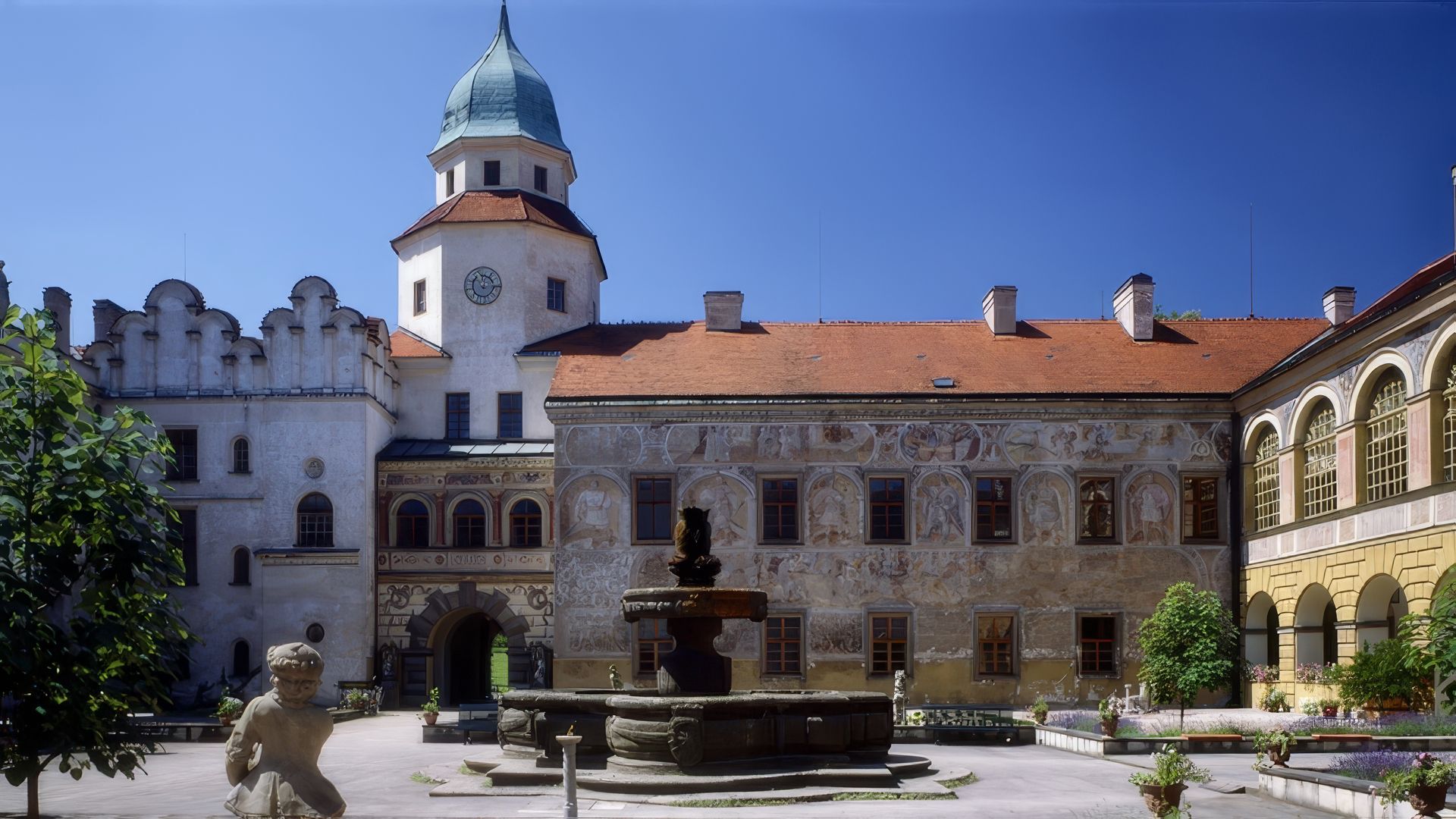
Castolovice Chateau
Visit our partners website.