Written by Daniel Kirchschläger
Located near the city of Brno in the South Moravian Region of the Czech Republic, the Slavkov u Brna Baroque Chateau is a remarkable historical landmark known for its elegant architecture, rich aristocratic heritage, and connection to European history. Surrounded by an extensive landscaped park, this impressive residence attracts visitors interested in Baroque architecture, historical monuments, and cultural tourism. The chateau is one of the notable historic attractions in South Moravia and offers an opportunity to discover the architectural traditions and historical events that shaped this part of Central Europe.
The history of Slavkov Chateau dates back to the Middle Ages, when the site was associated with the Teutonic Knights. The first written mention of the town dates to 1237. In 1509, the estate came into the possession of the influential Kaunitz family, which played an important role in the development of the residence over several centuries. During the late 16th century, a Renaissance chateau was constructed on the site of the earlier medieval complex. The building later underwent extensive reconstruction, gradually acquiring its distinctive Baroque appearance. The main Baroque transformation was completed in 1769, creating an elegant aristocratic residence that remains an important part of the region’s cultural heritage.
One of the most prominent historical figures associated with Slavkov Chateau was Wenzel Anton von Kaunitz-Rietberg, a distinguished diplomat and statesman who served the Habsburg monarchy during the 18th century. His influence and the importance of the Kaunitz family contributed to the estate’s historical significance. The chateau reflects the artistic tastes, social traditions, and political influence of the European aristocracy. Its historic interiors, decorative details, and architectural design provide visitors with insight into the lifestyle of noble families in Central Europe.
Another important aspect of Slavkov Chateau is its connection to the Napoleonic Wars. On December 2, 1805, the surrounding region became the setting for a major battle involving French, Austrian, and Russian forces. Following the French victory, Napoleon Bonaparte addressed his soldiers from the chateau balcony. This event established a lasting historical connection between the residence and the political and military developments of early 19th-century Europe. Today, the chateau remains an interesting destination for visitors researching Napoleon, European military history, and the historical events that influenced the region.
In addition to its architecture and historical importance, Slavkov Chateau is known for its extensive landscaped park. The grounds feature ornamental landscaping and sculptures that complement the elegant appearance of the residence. The park provides a peaceful setting for walking, photography, and enjoying the surrounding historical environment. Visitors can combine a tour of the chateau with a visit to the historic town center, discovering the architectural character and cultural traditions of Slavkov u Brna.
Today, Slavkov Chateau is owned by the town of Slavkov u Brna and is recognized as a national cultural monument. It remains an important destination for cultural tourism in the South Moravian Region, attracting history enthusiasts, architecture lovers, and travelers exploring the Czech Republic. Its combination of Baroque architecture, aristocratic heritage, landscaped gardens, and historical significance makes it a worthwhile stop during a trip to Moravia. For anyone interested in historic chateaus near Brno, Czech cultural landmarks, and European architectural heritage, Slavkov u Brna Baroque Chateau offers a memorable opportunity to explore the region’s fascinating past.
For more information about this attraction, visit the relevant website here
This post was created by volunteers. You may help and support by clicking here.
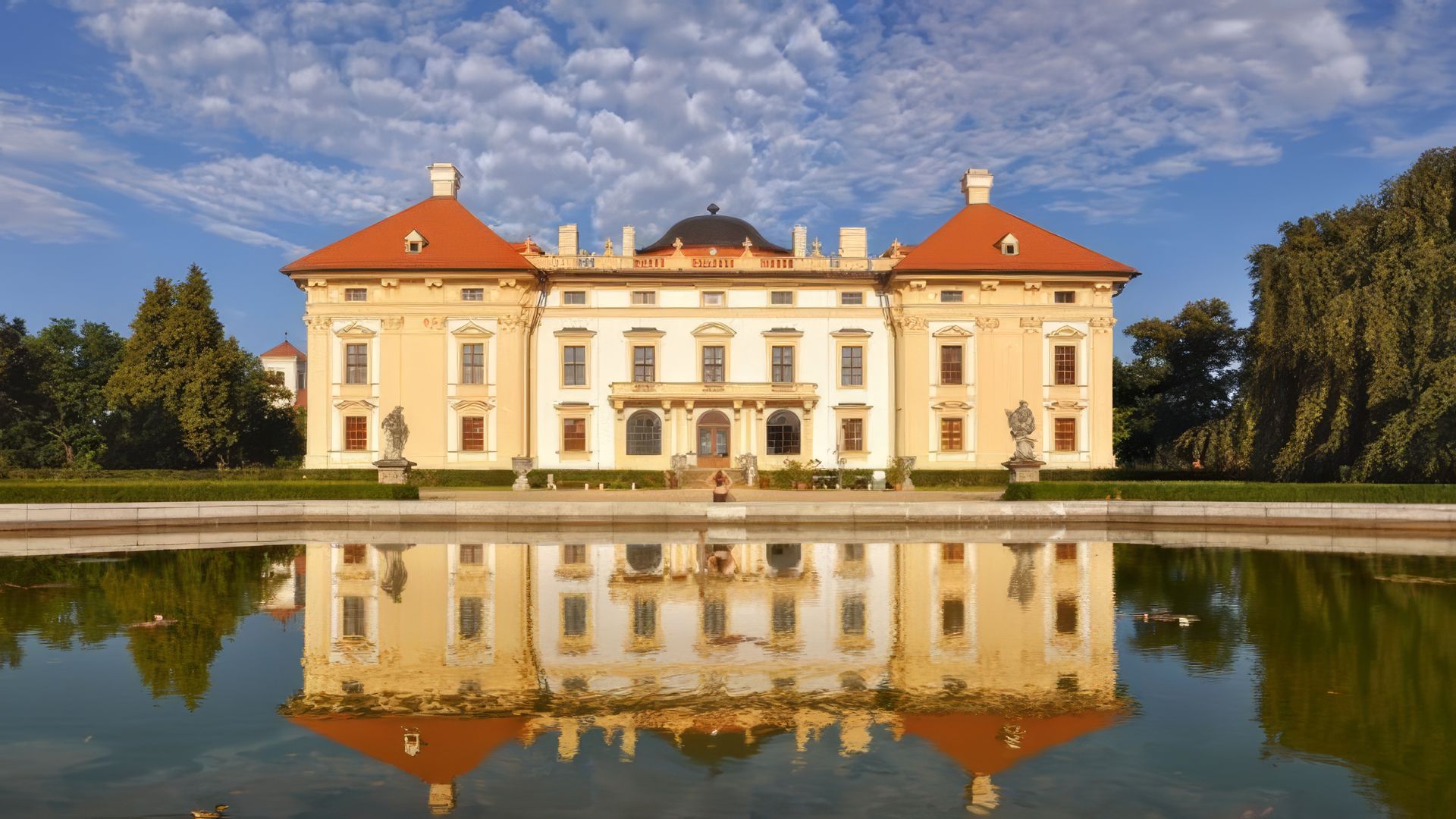
Slavkov u Brna Chateau
Visit our partners website.