Written by Daniel Kirchschlager
Rising above the village of Nedvedice on a rocky hill between the Svratka and Nedvedicka rivers, Pernstejn Castle is one of the best-preserved medieval castles in the Czech Republic. Located about 28 miles northwest of Brno in the South Moravian Region, the castle is admired for its distinctive Gothic architecture, dramatic setting, and long connection with the noble Pernstejn family.
The origins of Pernstejn Castle date to the late 13th century, when the Lords of Medlov are believed to have established the original fortress between approximately 1270 and 1285. Over the following centuries, the complex was expanded and modified as its owners increased its defensive strength and adapted its buildings to changing architectural and residential needs.
Pernstejn became particularly recognizable for the pale stone used around many of its doors and windows. The material has a marble-like appearance, giving rise to the castle’s traditional nickname, the Marble Castle. These stone details contrast with the darker masonry of the surrounding walls and contribute to the distinctive appearance that makes Pernstejn easy to recognize.
The castle’s position on a rocky elevation provided important natural protection. Steep slopes made direct access difficult, while the surrounding landscape offered views across the countryside. Medieval builders took advantage of the terrain when developing the fortifications, creating a complex that followed the shape of the hill rather than relying entirely on artificial defenses.
Pernstejn Castle underwent significant development during the late Gothic and Renaissance periods. Additional buildings, defensive structures, and interior spaces were constructed as the castle evolved from a primarily fortified residence into a more comfortable noble seat. Despite these changes, much of its medieval character remained visible.
The castle is closely associated with the Pernstejn family, one of the influential noble families in the history of the Czech lands. Their wealth and political importance contributed to the continued expansion and improvement of the castle complex. Pernstejn eventually became one of their principal residences and an important center of their estates.
Visitors exploring Pernstejn can see a combination of defensive architecture and residential spaces. Towers, courtyards, walls, gates, and stone details demonstrate the military character of the medieval complex, while interiors provide insight into how noble residents and later occupants used the castle.
The surrounding landscape adds greatly to the experience. Forested hills and valleys extend around the castle, creating the dramatic setting that has helped Pernstejn remain one of South Moravia’s most recognizable historic landmarks. Its elevated position also makes the castle particularly striking when viewed from the surrounding countryside.
Today, Pernstejn Castle is an important historical monument and a popular destination for visitors exploring South Moravia. Its medieval architecture, marble-like stone details, fortified layout, and scenic location provide a strong impression of the region’s noble and architectural heritage. For travelers interested in Czech castles, Pernstejn offers a particularly well-preserved example of a medieval fortress that continued to evolve while retaining much of its original character.
For more information about this attraction, visit the relevant website here
This post was created by volunteers. You may help and support by clicking here.
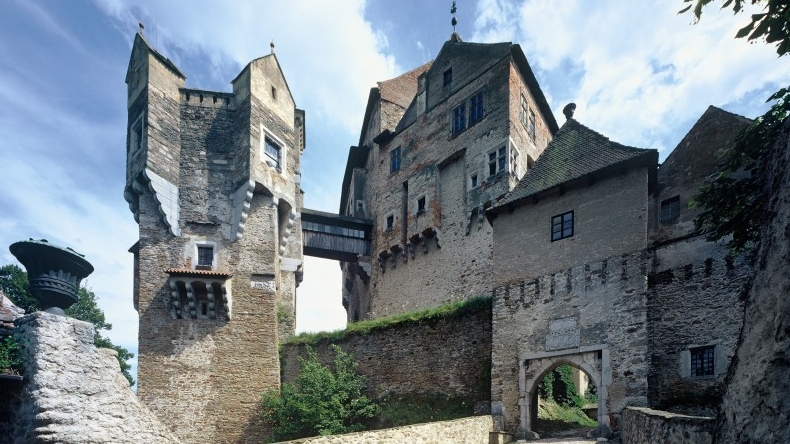
Pernstejn Castle
Visit our partners website.