Written by Max Jandora
With its thick, well-baked crust and hearty texture, traditional bread is an essential part of Czech cuisine and one of the most common foods found on Czech tables. Unlike soft American sandwich or toast bread, Czech bread typically has a substantial crust and a flavorful, moist crumb. When freshly baked, the crust can be wonderfully crisp and crackly, while the inside remains soft and tender. This contrast between a crunchy crust and a delicate crumb is one of the characteristics that makes traditional Czech bread so distinctive.
One of the most popular types of Czech bread is wheat and rye bread, which combines wheat flour with rye flour to create a flavorful and substantial loaf. Rye adds a deeper, slightly earthy flavor and gives the bread a denser texture, while wheat helps create a lighter and softer crumb. Another common variety is bread made primarily or entirely with wheat flour. Both wheat and rye bread and wheat bread are widely enjoyed in Czech households and are used in many different traditional meals.
Traditional Czech bread is much more than something served with butter. It is an important part of Czech home cooking and is often served as an accompaniment to cold appetizers, soups, and hearty main dishes. Slices of fresh Czech bread are commonly enjoyed with cold meats, cheeses, spreads, and other simple foods. Bread is also frequently served alongside traditional Czech soups and is especially popular with rich dishes such as goulash, where the sturdy crust and soft interior are perfect for dipping into the flavorful sauce.
One of the most famous Czech bread specialties is topinka. Topinky are slices of Czech bread that are traditionally fried or toasted in pork lard until they become crisp and golden on the outside. While they are still warm, the toasted bread is rubbed generously with fresh garlic and seasoned with salt. The combination of crispy bread, aromatic garlic, and savory pork lard creates a simple but intensely flavorful Czech dish. Topinky can be served as a snack, appetizer, or side dish and are a classic example of how Czech cuisine can transform simple ingredients into something delicious.
Czech bread also appears in several regional specialties. In some parts of the Czech Republic, traditional dishes are served directly inside a hollowed-out loaf of bread. A round loaf is carefully opened and the soft interior is removed, creating a natural bread bowl. Hot soup is then poured into the hollowed bread and served immediately. The bread absorbs some of the flavorful broth while the thick crust helps keep the soup contained. This traditional presentation is especially popular with hearty soups and creates both a practical and memorable way to serve a meal.
For anyone interested in authentic Czech food, traditional Czech bread is an important part of discovering the country’s culinary traditions. Its strong crust, hearty texture, and versatile flavor make it suitable for everything from simple cold meals to soups, goulash, and traditional toasted bread specialties. Whether enjoyed fresh from the bakery, served alongside a bowl of soup, or transformed into crispy garlic topinky, Czech bread remains a staple of Czech cuisine and an important part of everyday Czech cooking.
This post was created by volunteers. You may help and support by clicking here.
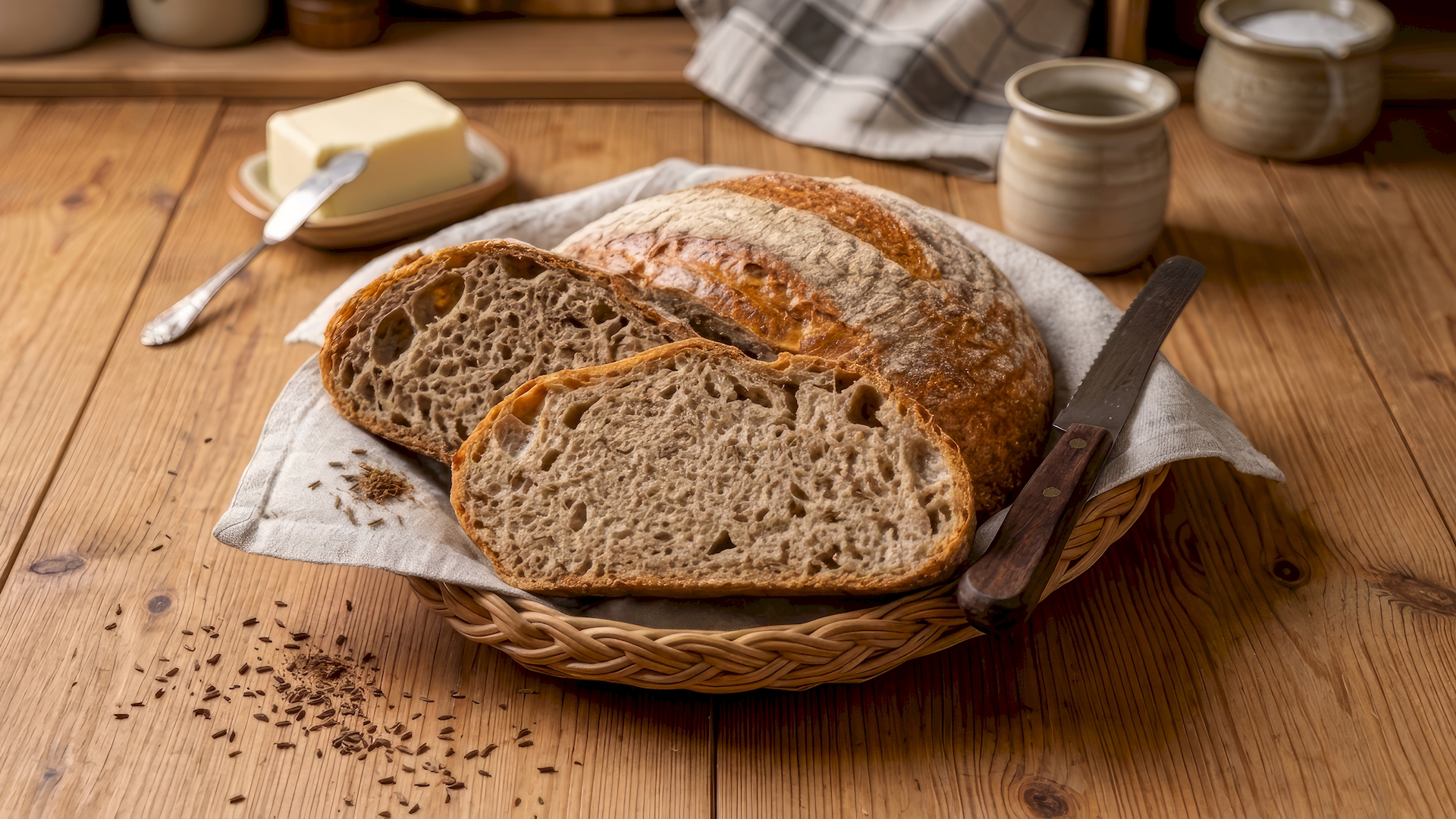
Homemade Czech Bread
Visit our partners website.